
Òtítọ́
Cultural fidelity
A ń ṣàyẹ̀wò gbogbo òwe, oríkì àti Odù lòdì sí orísun ẹnu àti ti ìwé kí ó tó dé ọ̀dọ̀ akẹ́kọ̀ọ́.
Nípa wa
Yorùbá Vision AI jẹ́ ẹgbẹ́ kékeré ti àwọn onímọ̀ èdè, onímọ̀ ẹ̀rọ, olùkọ́ àti olùtọ́jú àṣà tí ń kọ́ àwọn irinṣẹ́ tí a fẹ́ kí ó ti wà fún èdè wa.
Ìpinnu wa
Èdè máa ń wà láàyè nígbà tí àwọn ènìyàn bá ń sọ ọ́, tí wọ́n ń fi ṣàwàdà, tí wọ́n ń fi jiyàn, tí wọ́n sì ń kọ́ àwọn ọmọdé. Kíkọ sílẹ̀ nìkan kò tó. Ìpinnu wa ni láti mú Yorùbá rọrùn láti kọ́ àti láti wà níbi gbogbo nínú ayé oní-ẹ̀rọ — nínú ìbáraẹnisọ̀rọ̀, nínú kíláàsì, àti nínú iṣẹ́ ọnà.
A ń da àkójọ òwe, oríkì, àlọ́ àti ìwé ìtàn tí a kójọ pẹ̀lú ìṣọ́ra pọ̀ mọ́ àwọn àwòṣe èdè òde òní, kí olùbẹ̀rẹ̀ ní Èkó, Lọ́ndọ̀nù tàbí Atlanta lè rí ìdáhùn tó péye tó sì dá lórí àṣà ní ìṣẹ́jú àáyá díẹ̀.
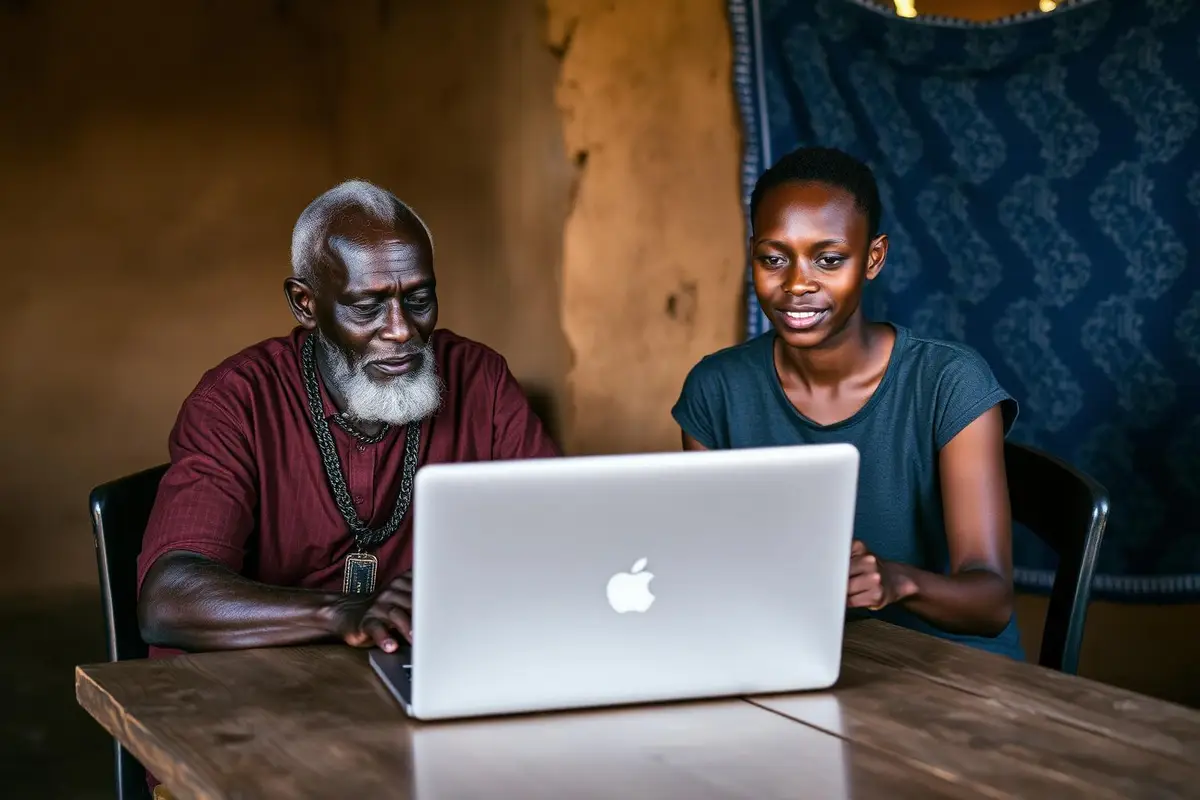
Ohun tí a dúró fún
Cultural fidelity
A ń ṣàyẹ̀wò gbogbo òwe, oríkì àti Odù lòdì sí orísun ẹnu àti ti ìwé kí ó tó dé ọ̀dọ̀ akẹ́kọ̀ọ́.
Community authorship
Àwọn àgbà, olùkọ́ àti abínibí jẹ́ olùkópa àti olùjàǹfààní, kì í ṣe kìkì ohun ìwádìí.
Responsible AI
A ń lo AI láti ràn ìmọ̀ lọ́wọ́, a ń fi orísun hàn, a sì ń fi ọ̀wọ̀ mú ìmọ̀ mímọ́.
Open access
Àwọn irinṣẹ́ ẹ̀kọ́ pàtàkì máa wà lọ́fẹ̀ẹ́ kí owó má bàa dí ẹnikẹ́ni lọ́wọ́ láti kọ́ èdè náà.
Àwọn ènìyàn
Ìmọ̀ ìwádìí àti ìmọ̀ ẹ̀rọ nínú yàrá kan náà, pẹ̀lú àwọn olùtọ́jú àṣà tí ń tọ́ àwọn méjèèjì sọ́nà.
Olùdásílẹ̀ & Aṣáájú Ìmọ̀ Èdè
Onímọ̀ èdè Yorùbá tí ó dojú kọ ìkọ̀wé ohùn àti àkójọ ọ̀rọ̀ kọ̀mpútà fún àwọn èdè tí kò ní ohun èlò tó pọ̀.
Olórí Ìwádìí Àṣà
Òpìtàn ẹnu tí ń kọ oríkì, àlọ́ àti òwe sílẹ̀ láàrin ìdílé Ọ̀yọ́ àti Ìjẹ̀bú.
Olórí Ìmọ̀ Ẹ̀rọ
Onímọ̀ ẹ̀rọ tí ń kọ́ ètò ọ̀rọ̀ sísọ àti ìtumọ̀ fún àwọn èdè Áfríkà.
Olórí Ìṣètò Ẹ̀kọ́
Aṣèto ẹ̀kọ́ tí ń sọ ohun ìkójọpọ̀ àtijọ́ di ẹ̀kọ́ tí a lè kọ́ tí a sì lè ṣe àyẹ̀wò rẹ̀.
Olùdámọ̀ràn Àṣà
Olùtọ́jú ìwé ìmọ̀ Ifá, ó ń tọ́ka ohun tí a lè kọ́ ní gbangba àti èyí tí ó máa wà nínú àṣà.
Àwùjọ & Àjọṣepọ̀
Ó ń bá ilé-ìwé, yunifásitì àti àjọ ilẹ̀ òkèèrè ṣiṣẹ́ láti mú ìpìlẹ̀ yìí wọ inú kíláàsì.
Ọ̀nà wa
2023
Ìwádìí bẹ̀rẹ̀ pẹ̀lú àkójọ òwe 1,200 àti ìlànà ìkọ̀wé ohùn.
2024
A kọ́kọ́ dán ìbáraẹnisọ̀rọ̀ AI àti irinṣẹ́ oríkì wò pẹ̀lú yunifásitì mẹ́ta ní Nàìjíríà.
2025
A ṣí ọ̀nà ẹ̀kọ́ tí a ṣètò àti ilé-ìkàwé ìtọ́kasí Ifá sílẹ̀ fún gbogbo ènìyàn.
2026
Ètò kíláàsì ilẹ̀ òkèèrè àti ìdánrawò ohùn nípa ọ̀rọ̀ sísọ wà lọ́wọ́ ìkọ́.
A ń bá ilé-ìwé, ilé ìkójọpọ̀ àti àjọ ilẹ̀ òkèèrè ṣiṣẹ́ — a sì ń fetísí àwọn tó ń sọ èdè náà tí wọ́n fẹ́ ṣàfikún ohun èlò.
Wo ìpìlẹ̀ náà